When Fresh Coffee Needs Rest: The First 72 Hours of Ali Chalmer Roast
Freshness is not a race. A short pause after the roaster can turn a restless brew into a steady, expressive cup.
A bag can be too fresh to show everything it carries. During roasting, heat builds gases inside the bean—especially carbon dioxide. After the coffee leaves the drum, those gases begin escaping. That release is called degassing, and it continues after the bag is sealed.
Freshness still matters, but immediate brewing is not always the goal. Coffee prepared in its most active first hours can bloom dramatically, resist even saturation, and produce a cup that feels sharp, hollow, or inconsistent. A short rest gives the gas time to settle without surrendering the aroma that makes fresh coffee worth seeking.
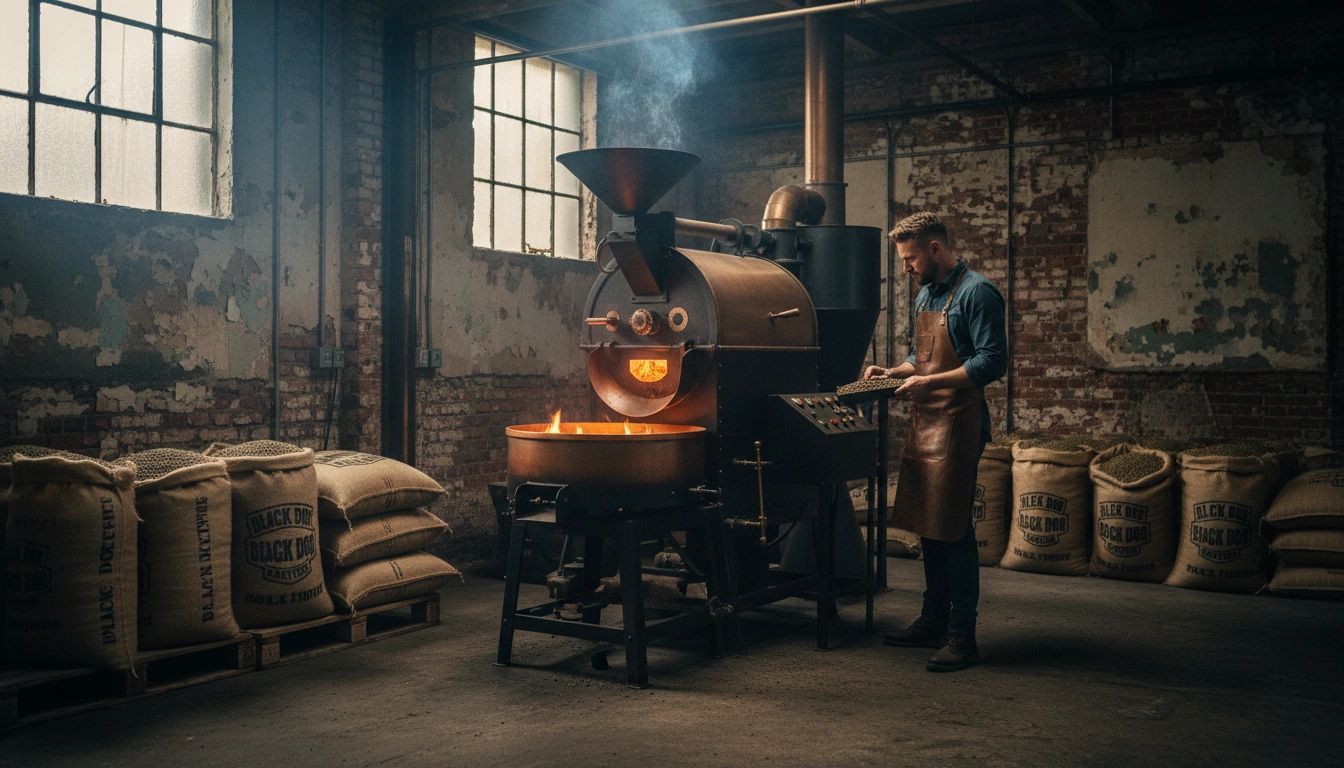
What is happening inside the bag
Roasting changes the bean from a dense seed into a porous structure filled with aroma compounds and carbon dioxide. Much of that gas escapes quickly during the first day. The rest leaves more gradually through the one-way valve and when the bag is opened.
Too much trapped gas can push brewing water away from the grounds. In a pour-over it may create an oversized bloom followed by uneven drainage. In espresso it can make the shot foam aggressively and run unpredictably. Rest does not make the coffee less fresh; it lets water reach the coffee more evenly.
A practical readiness window
Use time as a starting point, not a rigid law. Roast level, bean density, packaging, and brew method all change the pace.
- First 24 hours: expect the most active gas release. Brew a test cup if you want, but do not judge the entire bag from it.
- Days 2 to 5: many filter, press, and drip recipes begin to settle into a more repeatable cup.
- Days 5 to 10: espresso often becomes easier to dial in because the puck is less disturbed by escaping gas.
A darker roast often releases gas faster because its structure is more porous. That means Ali Chalmer Roast may feel ready earlier than a very light coffee, but the cup—not the calendar—should make the final decision.
The bloom tells you what the date cannot
For a simple field test, place your normal dose in a filter and add two to three times its weight in hot water. Watch for 30 to 45 seconds. A healthy bloom expands, releases bubbles, and then begins to relax. If the bed rises violently and stays inflated, give the coffee another day or extend the bloom before continuing the pour.
If there is almost no movement and the aroma feels muted, first confirm the roast date and storage conditions. The quiet bed may be ready, but it can also be telling you the coffee has lost too much gas and aroma. Compare taste, aroma, and consistency rather than relying on bubbles alone.
How to brew a bag that is still restless
You do not have to abandon an early cup. Use a slightly longer bloom, stir or swirl gently to wet every particle, and pour with patience. If the brew still drains too quickly and tastes thin, grind a little finer. If it stalls and finishes dry, return slightly coarser. Change one variable at a time.
Water remains part of the answer. The same mineral balance described in our guide to brewing water helps a fresh roast extract evenly. Record the roast date, water, ratio, grind, and result. By the third cup, you will know more about the bag than any universal chart can tell you.
Protect the rest
Keep the bag sealed, cool, dry, and away from sunlight. Use the one-way valve as designed; do not leave the bag open to make degassing happen faster. Repeated trips between a refrigerator and a warm kitchen can create condensation, so daily-use coffee is better stored in a stable cupboard. For longer storage, divide unopened portions into airtight containers and freeze them once, then let each portion return to room temperature before opening.
The pause before the ridge
In the Ali Chalmer story, readiness is rarely the same as urgency. A traveler stops before the ridge, checks the wind, tightens the load, and moves when the terrain permits. The pause is not hesitation. It is part of crossing well.
Fresh coffee asks for the same judgment. The fire has done its work, but the bean needs a little silence afterward. Choose Ali Chalmer Roast, note the roast date when it arrives, and taste how the cup changes from its first restless bloom to its steady stride.
Brew When It Is Ready