Why Dark Roast — and Why It Gets a Bad Reputation
A defense of the roast that built this brand.
There is a moment in specialty coffee culture where someone discovers light roast and decides everything else is inferior. The beans are brighter, the origin flavors are more distinct, the acidity is alive. They are not wrong about any of that. But somewhere in the conversion, dark roast became the enemy — the thing you drink before you know better.
This is the story we built Ali Chalmer Coffee against.
What actually happens in a dark roast
When you take a green coffee bean past the second crack — into the territory most roasters call "dark" — you are not destroying the bean. You are transforming it. The sugars caramelize further. The cellular structure opens. The oils migrate to the surface. The bright, fruit-forward notes that define a light roast give way to something deeper: chocolate, smoke, earth, wood, dried fruit, dark spice.
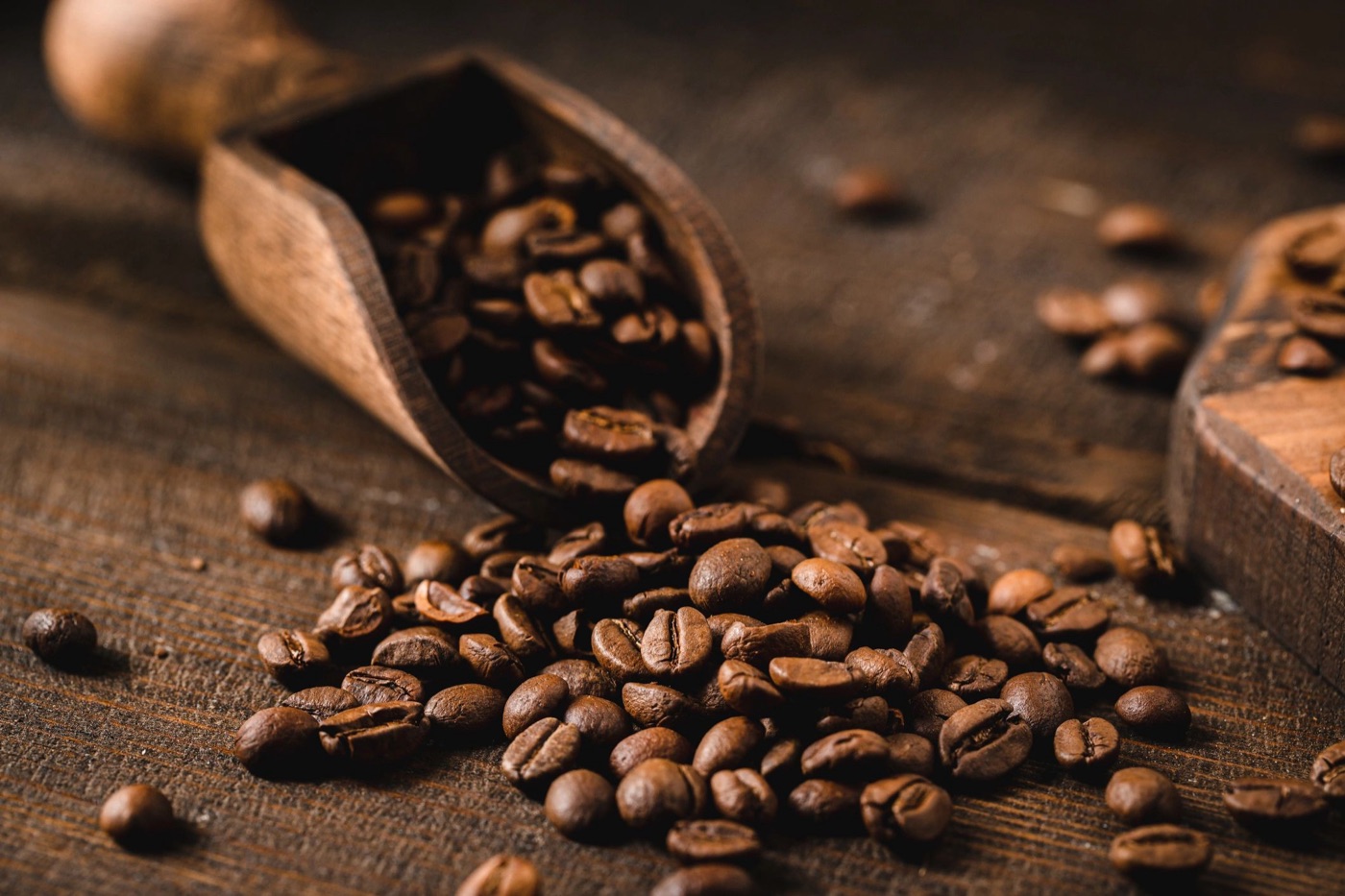
The complaint is that you lose origin character. That is partially true. A Yirgacheffe roasted dark will taste less like a Yirgacheffe and more like a dark roast. But that is not a failure — it is a different intention. The roaster is not trying to preserve the terroir. They are building a flavor profile that stands on its own.
The question is not whether dark roast destroys the bean. The question is whether the roaster knows what they are building toward.
Where the bad reputation comes from
Most dark roast coffee is bad. That is the honest answer. Commercial dark roast — the kind that fills supermarket shelves and fast-food cups — is dark because darkness hides defects. Low-quality beans, inconsistent processing, old crop: roast it dark enough and the problems disappear behind a wall of char. The consumer tastes "strong" and accepts it.
Specialty coffee reacted to this by going the other direction entirely. Light roast became the signal of quality, of care, of transparency. And for a while, that was a useful correction.
But the correction overcorrected. Dark roast did not become bad because darkness is bad. Dark roast became bad because bad roasters used darkness as a cover. The roast level is not the problem. The intention is.
What a well-roasted dark coffee actually tastes like
Ali Chalmer Roast — the first coffee we built — is a medium-dark. It is not trying to be light. It is not trying to be espresso-dark. It sits in the space where the bean's natural earthiness meets the roast's contribution: smoke, a low sweetness, a finish that lingers without bitterness.
Ali Chalmer Roast is available in the shop — whole bean or ground, 340g or 680g.
The reader who drinks dark roast
The Ali Chalmer series is adventure fiction. The characters in those books do not drink pour-overs. They drink whatever is available, usually strong, usually black, usually in conditions that are not ideal. The coffee in those worlds is functional and serious — not a ritual, not a hobby, just fuel for hard mornings.
We built the coffee to match that. Not because dark roast is "masculine" or any of the other lazy associations — but because the flavor profile fits the world. Earthy, direct, no apology.
If you came here from the books, you already understand. If you came here from the coffee, the books are waiting.